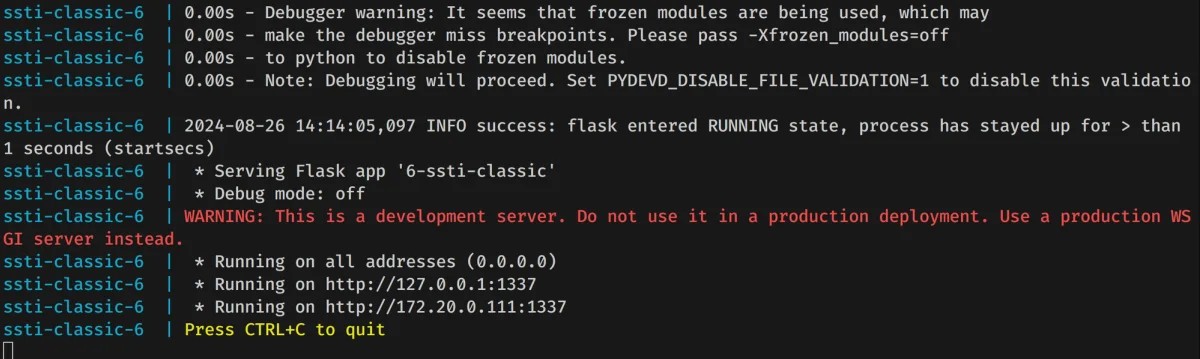
Make sure you are running your app with the debug flag properly set. Use the environment variable. It enables the reloader and the debugger automatically.
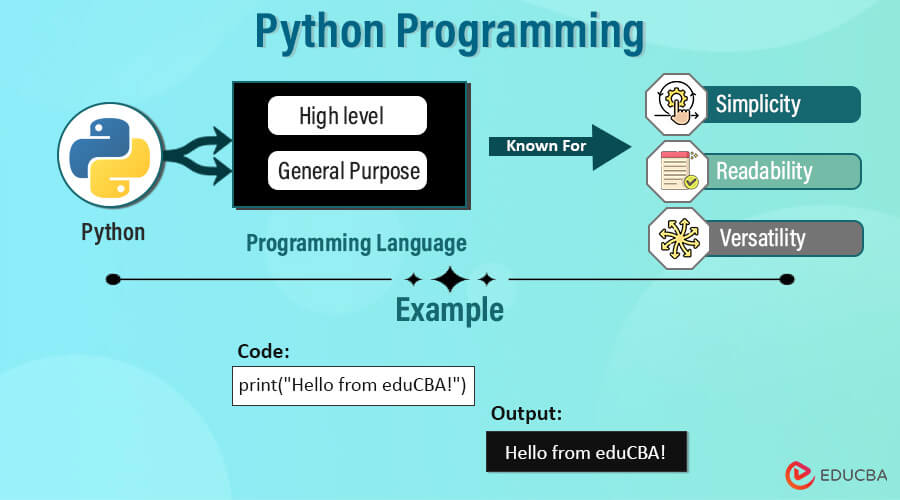
Python programming code – Python Programming | Boost Skills From Basics to Advanced
$ export FLASK_APP=app.py
Well, I have to admit — I used to hate Docker. But I've been rethinking my strategy lately. Actually, I should clarify: Docker has a reputation problem, and it's partly deserved. But after the absolute mess that was the Python logging vulnerability (CVE-2025-27607) discovered earlier this year, I've stopped blindly trusting my logs. And when a core library we've used for a decade turns out to be an RCE vector because it didn't handle formatted strings correctly, you have to rethink your approach. We can't just dump request.data into a logger anymore and hope for the best.
If you write Flask apps, you know this pain. You also probably know the dirty secret of how most of us debug: we sprinkle print() statements everywhere like we're throwing confetti at a funeral. But here's the thing — I'm cleaning up my act. I'm moving away from "log and pray" to actual, interactive debugging. And I'm not the only one. This problem deserves more attention than it gets.
Make sure you are running your app with the debug flag properly set. Use the environment variable. It enables the reloader and the debugger automatically.
Python programming code - Python Programming | Boost Skills From Basics to Advanced